Top Plumbing Tips: Ways to Prevent Frequent Household Plumbing Problems
Homeowners frequently face a range of plumbing issues which can cause significant repair costs. Understanding basic preventive measures is vital to keeping a plumbing system in good working order. Periodic inspections and straightforward maintenance can play a significant role in avoiding major problems. With the correct tools and understanding, homeowners can address many issues independently. However, knowing when to seek professional assistance is equally important. The following insights will provide a clearer path to efficient plumbing care.
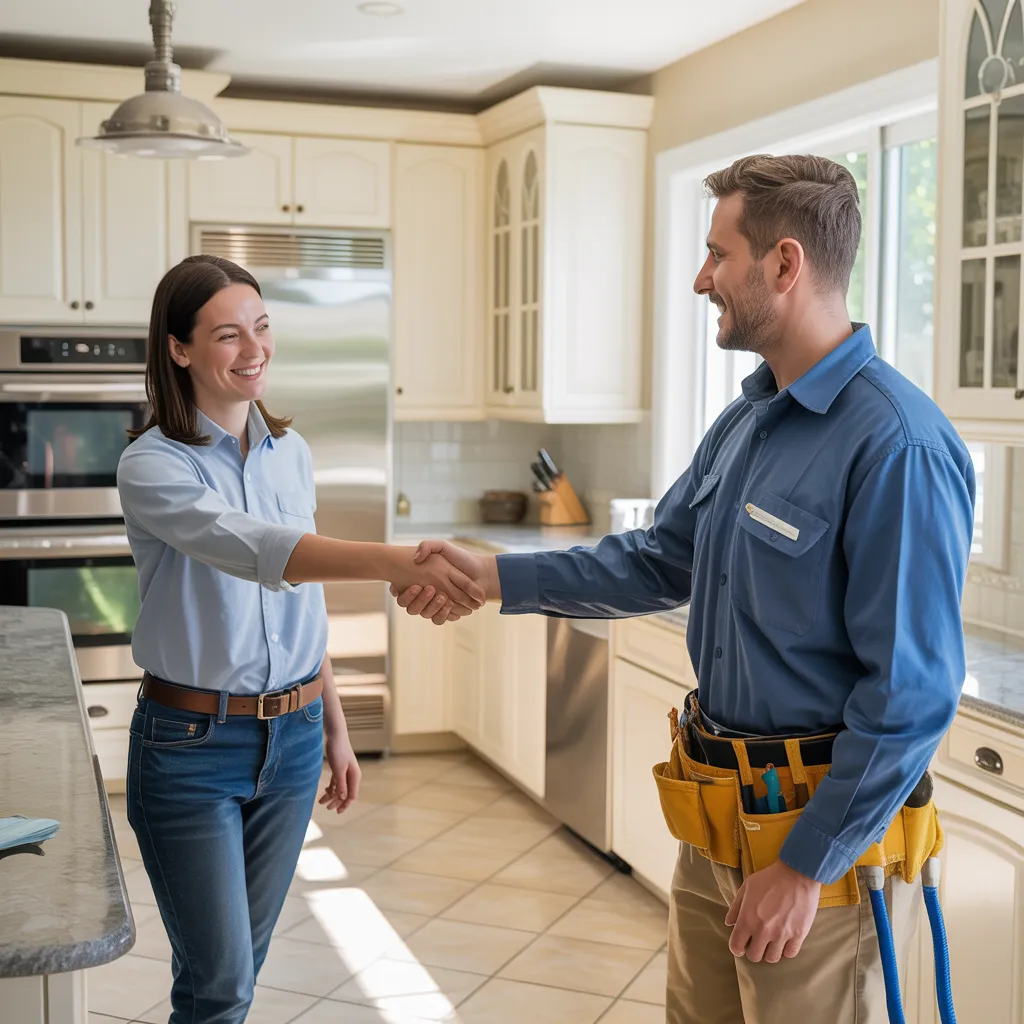
Key Tools Every Homeowner Requires for Plumbing
When homeowners encounter plumbing issues, having the proper tools available can be incredibly beneficial. Essential tools for tackling common plumbing problems include a plunger, which is essential for unclogging blocked drains, and a pipe wrench, which offers the leverage required for securing or releasing plumbing fixtures. A basin wrench is furthermore beneficial for maneuvering into narrow spaces and tightening faucet assemblies.
Additionally, a collection of adjustable wrenches offers adaptability across multiple sizes of nuts and bolts. Homeowners should consider investing in a plumbing snake to address deeper clogs within pipes. Teflon tape is another essential item, useful for ensuring leak-proof connections. Lastly, keeping a durable bucket on hand helps control any unexpected spills throughout the repair process. Having these fundamental tools readily available empowers homeowners to resolve small plumbing problems quickly, which may save both time and money while reducing stress.
Preventing Typical Plumbing Issues
Homeowners can significantly lower the chances of plumbing problems by developing preventive maintenance practices. Routinely checking pipes and fixtures for leaks can help identify potential problems before they escalate. Keeping drains free from buildup and debris helps avoid blockages and encourages steady water flow. Installing strainers in sinks and tubs is strongly suggested to trap hair and food debris, which frequently cause blockages.
Additionally, homeowners should consistently monitor the water pressure by utilizing a gauge, as excessively high pressure can stress pipes and cause leaks. Conducting yearly water heater flushes gets rid of sediment buildup, boosting efficiency and increasing longevity. Adding insulation to exposed pipes in colder regions can stop pipes from freezing and bursting in the winter. Finally, knowing where the main shut-off valve is located can save time and mitigate damage in case of emergencies. By applying these preventative strategies, homeowners can secure their plumbing systems and steer clear of expensive repairs.
Important DIY Plumbing Advice for Homeowners
Many homeowners can benefit from key DIY plumbing strategies that allow them to handle minor concerns without professional help. As a starting point, storing a plunger and a drain snake within reach can efficiently eliminate clogs. Homeowners should know how to turn off the water supply to avoid flooding during repairs. Periodically examining for leaks under sinks and near toilets can safeguard against water waste and costly damage. Applying a combination of baking soda and vinegar can assist in keeping drains clear without the use of strong chemicals.
For minor repairs, such as replacing a faucet or fixing a running toilet, homeowners ought to become acquainted with essential tools such as wrenches and screwdrivers. Additionally, understanding the source layout of plumbing systems can aid in identifying issues quickly. Finally, maintaining a clean and organized workspace will enhance efficiency during any plumbing project. These important DIY guidelines can help reduce time and expenses while maintaining a smoothly running residential plumbing system.
When Is It Time to Call a Professional for Plumbing Assistance?
How does one identify the correct time to seek professional plumbing assistance? Identifying the indicators of a significant plumbing problem is vital for homeowners. If a small leak grows into a major water flow, or if stubborn blockages defy all home remedies, it's time to call a professional. Unusual noises from pipes or unpleasant drainage smells can signal deeper problems that require expert intervention. Additionally, if water pressure becomes inconsistent or stops altogether, this may suggest a significant hidden problem.
Homeowners should also seek professional help whenever plumbing projects require complex installations or extensive repairs beyond their skill level. Overlooking these warning signs can result in more expensive repairs and damage to the property. In the end, understanding when to contact a professional ensures that plumbing issues are handled promptly and thoroughly, safeguarding both the home and peace of mind.
Understand the Fundamentals of Your Home's Plumbing System
Gaining a solid understanding of a home's plumbing system is critical for effective maintenance and troubleshooting. A standard residential plumbing system is made up of numerous parts, including appliances, pipes, and fixtures. The primary water supply line supplies clean water, while drainage lines remove wastewater from the home. It is important for homeowners to know the whereabouts of shut-off valves to effectively manage possible leaks or plumbing emergencies.
Moreover, understanding the variations between supply and drain systems can help identify problems. Pressurized supply lines are responsible for delivering water, while drainage lines use gravity to carry away waste. Routinely inspecting for indicators of deterioration, such as corrosion or leaks, can prevent larger problems down the line. Understanding how these systems function empowers homeowners to make informed decisions about maintenance and repairs, ultimately saving time and reducing costs. By grasping these fundamentals, homeowners can more effectively handle their plumbing requirements and steer clear of frequent mistakes.
Seasonal Plumbing Maintenance Checklist
Regular seasonal plumbing upkeep is critical for preventing costly repairs and ensuring a home's systems function efficiently. Homeowners should routinely inspect pipes for leaks, review the condition of their water heater, and flush gutters and drains to eliminate blockages. This preventative strategy can significantly improve the durability and dependability of plumbing systems.
Examine Pipes For Leaks
Checking pipes for leaks is a critical measure to copyright the integrity of a home's plumbing system. Homeowners should regularly check both exposed and hard-to-reach pipes, particularly in areas like basements, under sinks, and around water fixtures. Signs of leaks may include water stains, dampness, or mold growth. Employing a flashlight aids in spotting small cracks or drips that could easily be missed. It is equally important to keep track of water bills for any unusual spikes, since such changes may point to underlying leaks. To enhance protection, residents may want to invest in leak detection systems designed to warn them of moisture buildup. Quickly resolving any identified leaks is essential for avoiding more serious problems, like structural harm or extensive mold spread, thereby safeguarding the long-term condition of the plumbing system.
Evaluate Water Heater Operation
Regularly checking the water heater operation is essential for ensuring efficient plumbing in any home. Homeowners should inspect the thermostat settings to verify they are set to the optimal temperature, typically around 120 degrees Fahrenheit. This not only saves energy but also eliminates the risk of scalding. In addition, inspecting the pressure relief valve for correct functioning is critical; a defective valve can lead to hazardous pressure accumulation. Sediment buildup can also diminish efficiency, so flushing the tank annually is advised to extend the unit's service life. Moreover, inspecting for leaks or corrosion around the heater can stop more serious complications from developing. By regularly examining these aspects, homeowners can confirm their water heater performs reliably and safely.
Clean Gutters And Drains
Keeping clean drains and gutters is essential for avoiding water-related damage and guaranteeing effective drainage around the home. As time passes, debris such as dirt, leaves, and twigs can accumulate, blocking water flow. This buildup may result in overflow, resulting in potential damage to the roof, walls, and foundation. Regular inspection and cleaning, especially before seasonal changes or heavy rainfall, are vital. It is advisable for homeowners to consider using a reliable ladder to access gutters in a safe manner or hiring professionals for detailed maintenance. Additionally, fitting gutter guards can minimize debris buildup and decrease the frequency of cleaning. Properly functioning drains are equally important; ensuring they are free from clogs can prevent unpleasant odors and backups, contributing to a healthier home environment.
Green Plumbing Solutions for an Eco-Conscious Home
A growing number of homeowners are acknowledging the importance of environmentally conscious plumbing solutions to promote sustainability. Installing conservation-focused fixtures, such as dual-flush toilets and low-flow faucets, greatly reduces water consumption without sacrificing performance. Moreover, the implementation of greywater systems allows for the recycling of water from showers and sinks for irrigation, helping to conserve valuable resources.
Routine upkeep is crucial; fixing leaks promptly can save gallons of water and reduce utility bills. Residents may also want to explore biodegradable drain cleaning solutions to steer clear of aggressive chemicals that damage the environment.
Choosing eco-friendly options, such as bamboo or recycled metals, for plumbing repairs and installations promotes a greener home. Furthermore, pipe insulation limits energy loss, boosting overall efficiency. Through adopting these eco-friendly plumbing methods, homeowners not only contribute to environmental conservation but also promote long-term savings and efficiency in their homes.
Frequently Asked Questions
How Can I Detect Hidden Leaks in My Home?
To identify concealed leaks, individuals can monitor water bills for unexpected increases, check walls and ceilings for wet spots, listen for unusual sounds in pipes, and utilize moisture meters or infrared cameras to identify potential issues.
What Are the Signs of a Clogged Sewer Line?
Signs of a blocked sewer line include slow-moving drains, gurgling sounds from fixtures, wastewater backup, foul smells, and water accumulating in the yard. These signs indicate a clog necessitating prompt professional attention to prevent extensive damage.
How Often Should My Water Heater Be Flushed?
Homeowners should flush their hot water heater annually to remove sediment buildup. Consistent maintenance boosts operational efficiency and prolongs the lifespan of the unit, maintaining top performance and preventing potential issues related to mineral accumulation with continued use.
Can Chemical Drain Cleaners Be Used Safely?
Chemical drain cleaners can be used safely, but caution is essential. Overuse may damage pipes and lead to hazardous fumes. Seeking alternative solutions or speaking with a professional is recommended for stubborn blockages.
What Are the Causes of Low Water Pressure in My Home?
Poor water pressure in a household is often due to multiple contributing factors, including obstructed pipes, leaks, faulty fixtures, or municipal supply issues. Determining the exact cause is vital for effectively restoring proper water flow.